Your Tenant Rights Explained (State-by-State Summary)
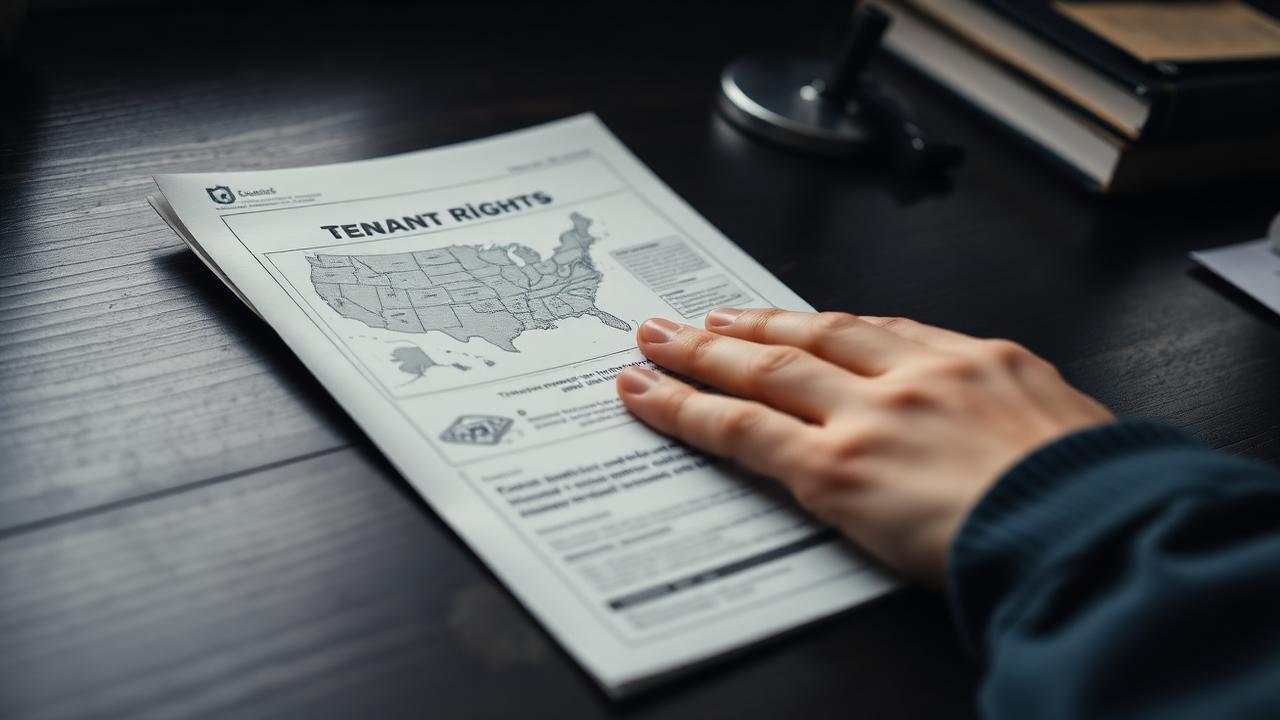
Here's something most renters don't realize: your rights don't come from your lease. They come from state law. The lease can add protections, but it can't take away what the law already gives you. And every state gives you more than you probably think. I'm not going to list all 50 states here — that would take forever and half of it would be out of date by the time you read it. Instead, here are the four rights that exist in basically every state, plus how to find the specifics for yours.
The Implied Warranty of Habitability
This is the big one. It means your landlord has to provide a place that's actually livable. Working heat in winter. Running water. Functional plumbing. Electricity. A roof that doesn't leak. No infestations that make the place unsafe. This isn't something the landlord can opt out of. It's implied by law. Even if your lease says "tenant accepts the unit as-is," that doesn't waive the habitability requirement. If the heat goes out in January, the landlord has to fix it, period. I once lived in a building where the boiler broke during a cold snap in Chicago. The landlord dragged his feet for a week. I looked up the local tenant ordinance, found the relevant section about heating requirements, and sent him an email quoting the statute and the fine schedule. Got a space heater within hours and a permanent fix within two days. Sometimes you just have to show them you know the rules.
Right to Quiet Enjoyment
This sounds fancy but it basically means the landlord can't harass you or constantly disrupt your life. They can't show up unannounced. They can't enter your apartment for no reason. They can't make your living situation unbearable on purpose to pressure you into leaving. "Quiet enjoyment" is a legal term with a long history, but practically it means you have the right to live in your apartment without being bothered unreasonably. Repeated unannounced entries, cutting off utilities to force you out, or making threats all violate this right. The notice requirement for entry is part of this. In most states, it's 24 hours. The landlord has to give you that much heads-up unless there's a genuine emergency — fire, flood, gas leak. "I wanted to check on something" is not an emergency.
Protection from Retaliatory Eviction
If you complain to the health department about a mold problem, or you report a code violation, or you join a tenants' union, the landlord cannot evict you in retaliation. Most states have a protected window — usually 90 to 180 days after you make a complaint — during which any eviction or rent increase is presumed retaliatory. This is a powerful protection that not enough renters know about. If you're in a dispute with your landlord and suddenly they're trying to evict you on some technicality, the timing matters. Document everything. Note when you made the complaint, note when the eviction notice arrived. The proximity is evidence.
Deposit Return Rules
Every state has rules about how quickly the landlord has to return your deposit or provide an itemized list of deductions. Usually it's 14 to 30 days. Some states have strict penalties for late returns — double or triple damages plus attorney's fees. The landlord also has to give you the deposit back in a specific way. Some states require interest. Some require the deposit to be held in a separate account. Some require both. If your landlord can't tell you where your deposit is held, that's a problem.
How to Find Your State's Laws
The best search query is: "[your state] residential landlord-tenant act." The state attorney general's website usually has a plain-English summary. Legal aid organizations in your state also publish tenant rights handbooks that are much easier to read than the actual statutes. Don't rely on Reddit posts or TikTok videos for this stuff. Laws change — sometimes recently. California has significantly strengthened tenant protections in the past few years. New York passed major reforms in 2019. Other states are updating their laws regularly. What was true five years ago might not be true today.
Have a lease in front of you right now?
Upload it. Our AI flags every red flag mentioned in this guide — in under 10 seconds.
Decode My LeaseFrequently asked questions
Do these rights apply if I'm renting a room, not an apartment?
Generally yes, but the specifics vary. In some states, room rentals where you share a kitchen or bathroom with the landlord have different rules — usually weaker protections. Check your state's specific carve-outs.
What if the lease says I waive these rights?
In most cases, you can't waive statutory rights. A clause saying "tenant waives the right to a habitable unit" is unenforceable. Courts don't let landlords contract around basic protections.